A Man Tells a Woman How to Deal With Menopause?
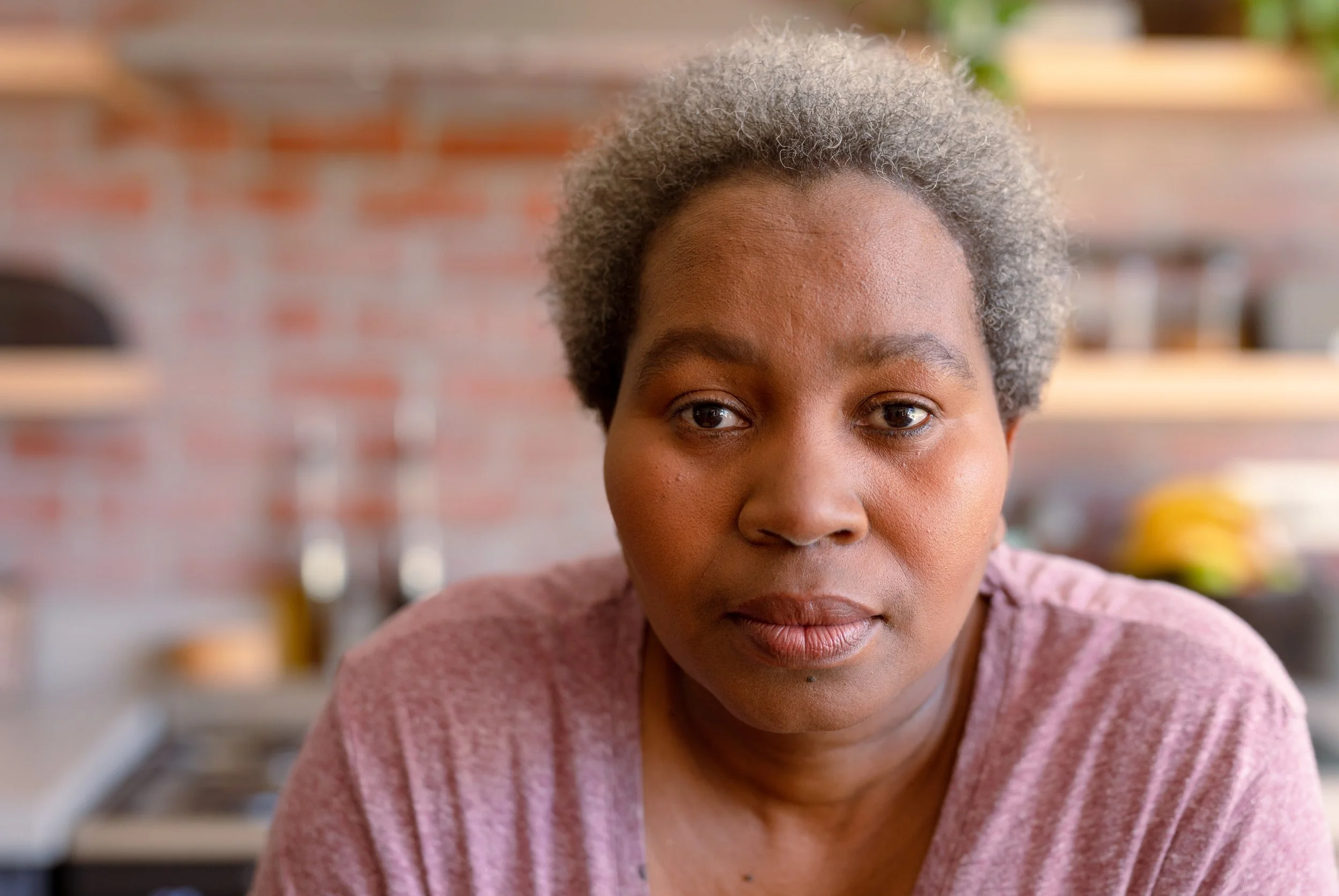
Yes. Hormonal imbalances, sweats, hot flashes, irritability. Herbalist Dr. Sebi knew these symptoms, not by direct experience, of course, but by counseling and treating women who sought release from these discomforts, discomforts that today, affect all who exist in a woman’s world: family, friends, co-workers.
In a menopause webinar, Dr. Wen Shen of Johns Hopkins University Menopause Clinic said that in 2020, 75 million women in the United States, ranging from ages 40 to 58, experienced the effects of menopause. The average age when it starts, 51. She also mentioned a little-known fact that females with premature ovarian failure begin menopause as early as their teenage years; 15-, 16-, and 17-year-olds with this condition face the same hot flashes and night sweats as 50-year-old women.
[Premature Ovarian Failure (POF), now commonly known as Primary Ovarian Insufficiency (POI), occurs when the ovaries stop functioning normally before age 40. It causes irregular periods, early infertility, and estrogen deficiency, which increases long-term risks for osteoporosis and heart disease.]
By contrast, Dr. Shen has patients approaching the age of 60 who are still having a period, a normal menstrual cycle, and often express anxiety about having continued monthly flows of blood beyond middle age.
To his senior clients stressed about their period, Dr. Sebi offered advice and herbs aligned with the natural flow of life. In the new book Seven Days in Usha Village: A Conversation With Dr. Sebi 20 Years Later, he says, “You should welcome the period. When the period is present it means that the body is in sync. It is balanced and all of the irritability should not be experienced. The longer you keep your period the more in harmony you will be.”
Dr. Sebi’s take on going through the changes?
For women who endure their private summers of menopause, Dr. Sebi recommended a change many women found equally as stressful as middle-aged menstruation: diet.
“What they should know,” he says in the book, “is that whenever your endocrine system is out of balance, then you have nerve problems also. That’s why you have the sweats and are very irritable. . . Evidence of the fact that the diet has influenced menopause is that on more than one occasion we removed a sister from her usual diet and gave her compounds that afforded cleansing to the reproductive system and the entire body.”*
What happened next might surprise you.
And for men in the throes of prostate cancer, Dr. Sebi recommended that same cleansing strategy. Read his full prescriptions, including his herbal therapy the African Bio Mineral Balance (tested and validated by Lancaster Laboratories), in Seven Days in Usha Village: A Conversation With Dr. Sebi 20 Years Later, specifically the chapter titled “Dr. Sebi Shared More That Week in Honduras: His Methodology.”
And bear in mind, “African” in the title of Dr. Sebi’s therapy pays homage to what he considered uncelebrated African medicinal practices that have healed all races for hundreds of years. As a matter of fact, some of Dr. Sebi’s first clients were Caucasian and Asian.
The African Bio Mineral Balance, Dr. Sebi’s Usha Herbal Research Institute, and menopause therapy explained in Seven Days in Usha Village: A Conversation With Dr. Sebi 20 Years Later.
https://www.sevendaysinushavillage.org/20th-anniversary-edition
*See Dr. Sebi’s food guide at Sebi’s Daughters LLC